

Guided Walking Clubs: Local Groups Across the UK
Discover walking clubs tailored to your fitness level, from gentle countryside strolls to brisk urban routes. We've mapped out the best groups across the UK where you'll find community, fresh air, and the right pace for you.
Why Walking Clubs Matter for Active Adults
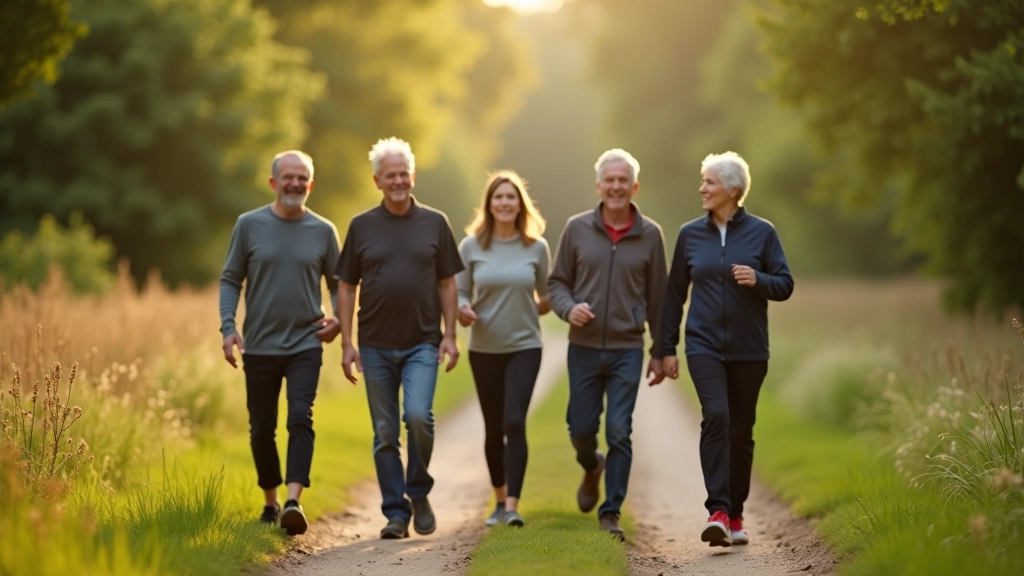
Walking's often overlooked as genuine exercise. But here's the thing — structured group walks aren't casual strolls. They're strategic, social, and seriously beneficial for people in their 40s, 50s, and 60s.
Most walking clubs combine cardiovascular benefits with low-impact movement that won't trash your joints. You'll build leg strength, improve endurance, and strengthen your core stability — all while chatting with people who get it. No competitive pressure. Just real fitness happening naturally.
The UK's got hundreds of walking groups now. Some are distance-focused, others emphasize technique and posture. Some meet weekly, others twice monthly. Finding the right fit means knowing what to look for — and that's exactly what this guide covers.
500+
Active walking clubs across the UK
40-70
Average members per group
3-8
Miles per session typically
Three Main Club Categories
Walking clubs break down into clear categories based on pace, distance, and terrain. Here's how they work and what you'll find in each.
Leisurely Pace Groups
Perfect for building baseline fitness or recovering from injury. These groups typically cover 2-3 miles per session at about 2-2.5 miles per hour. You'll have time to chat, observe your surroundings, and enjoy the social aspect. Most meet weekly in parks or along canal towpaths.
- Distance: 2-3 miles
- Pace: 2-2.5 mph
- Frequency: Weekly
- Duration: 60-90 minutes
Moderate Pace Groups
This is where most people find their sweet spot. You're walking with intention but not racing. Moderate groups hit 3-4 miles per session at about 3-3.5 miles per hour. Terrain varies — some use local countryside, others mix urban and green spaces. There's real cardiovascular benefit without exhaustion.
- Distance: 3-4 miles
- Pace: 3-3.5 mph
- Frequency: 2x weekly typically
- Duration: 90-120 minutes
Brisk/Fell Walking Groups
These groups don't mess around. They cover 5-8 miles with elevation gain, moving at 3.5+ miles per hour. You'll encounter hills, varied terrain, and serious training benefit. Most participants in these groups have established fitness bases. They're competitive without being hostile — everyone's pushing themselves.
- Distance: 5-8 miles
- Pace: 3.5+ mph
- Frequency: 1-2x weekly
- Duration: 120-180 minutes
Major Walking Club Networks by Region
England
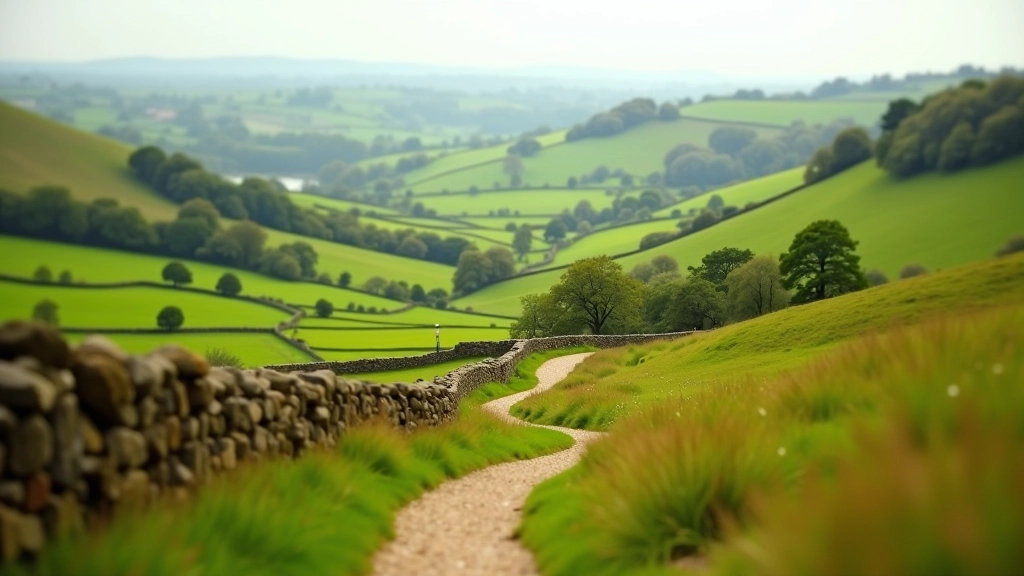
England's got the densest walking club network. Ramblers Association affiliates exist in every county. The South has excellent coastal walks and rolling countryside. The Peak District draws serious fell walkers. Cities like Manchester, Leeds, and Birmingham have urban walking groups that use parks and canal networks effectively.
Key networks include Ramblers local groups (virtually everywhere), parkrun walk events (every Saturday), and independent community-led clubs. London alone has dozens of specialized walking groups — some focus on architecture, others on pace training.
Most English clubs charge minimal fees (£1-3 per walk) or are completely free. Equipment needs are basic — decent shoes matter more than fancy gear.
Scotland
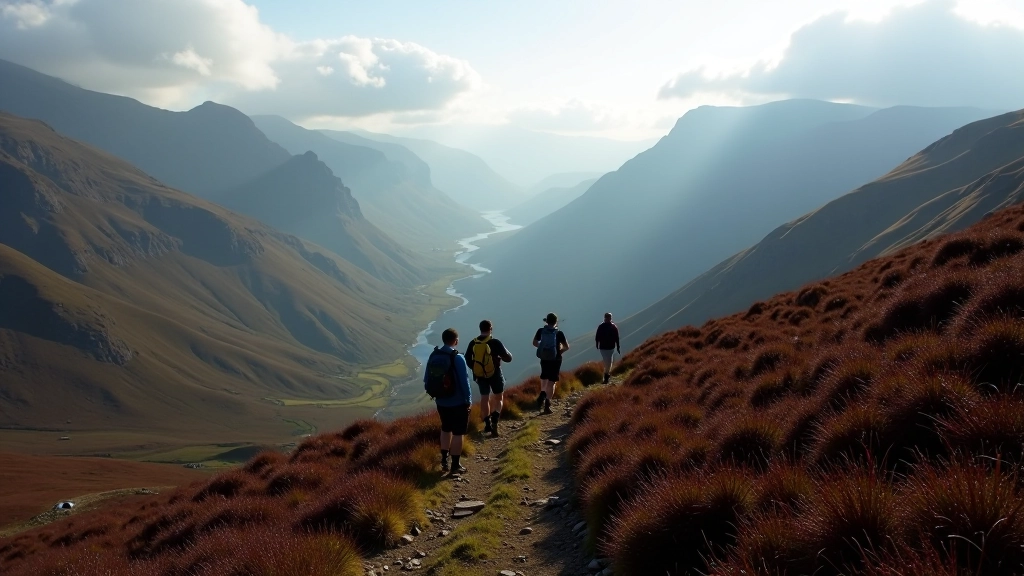
Scottish walking culture is intense and serious. Edinburgh and Glasgow have established clubs running multiple pace groups. The Highlands attract fell walkers from across the UK. Scottish clubs tend to embrace tougher terrain and longer distances than their English counterparts.
Mountain Weather Information Service (MWIS) is essential reading for Scottish walks — conditions change fast. Most Scottish groups operate year-round despite weather. Winter walks are actually popular because the group experience matters more than conditions.
Access is excellent in Scotland. Land reform gives you the right to walk almost anywhere (with responsibility). Clubs use this freedom extensively, creating routes that would be impossible in England.
Wales
Wales punches above its weight for walking clubs. Snowdonia and the Brecon Beacons dominate the scene, but coastal walks are equally popular. Pembrokeshire Coast Path is legendary — clubs organize multi-day sections regularly.
Welsh clubs embrace bilingual events. Most communications are in both English and Welsh. There's a strong cultural identity around walking — it's not just exercise, it's connection to landscape and heritage.
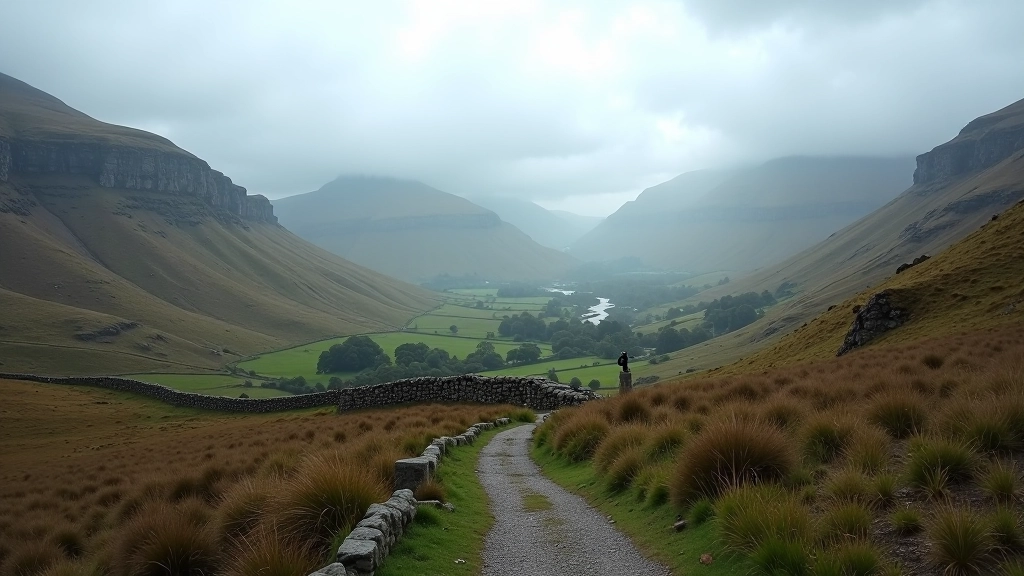
Groups range from gentle valley walks to serious mountain scrambles. You'll find everything you need, and the scenery genuinely rivals Scotland for drama and beauty.
How to Find and Choose the Right Club
Finding a club that fits isn't complicated, but it does require honesty about your current fitness and what you actually want from the experience.
01
Assess Your Current Fitness
Be realistic. Can you comfortably walk for 30 minutes without stopping? That's your baseline. If you can't, start with leisurely pace groups. If 30 minutes is easy but hills make you breathe hard, moderate pace is your entry point. Already doing other cardio training? Brisk groups might suit you immediately.
02
Check Ramblers Association First
The Ramblers (ramblers.org.uk) is the obvious starting point. They list hundreds of affiliated clubs with clear descriptions. You'll find pace, distance, frequency, and contact info. Most groups are completely free or charge minimal amounts (under £3 per walk).
03
Try Before Committing
Most clubs welcome visitors for at least one free walk. Go to a single session before deciding to join. You'll immediately know if the pace suits you and whether the group dynamic works. Some groups are chatty and social, others are quieter and more focused. Both are valid — just different.
04
Verify Route and Terrain Details
Ask about specific details. Is it flat urban or hilly countryside? Will there be stiles or technical terrain? Are there toilet facilities? What's the cancellation policy for bad weather? Good clubs provide detailed route maps and honest terrain descriptions. They won't surprise you with hills when you expected flat ground.
05
Check Practical Details
Confirm meeting times, locations, and parking. Some groups meet at inconvenient times or require long drives. Check if they're summer-only or year-round. Confirm whether membership includes social events beyond walks. Some groups organize post-walk coffees or monthly dinners — worth knowing if community is important to you.
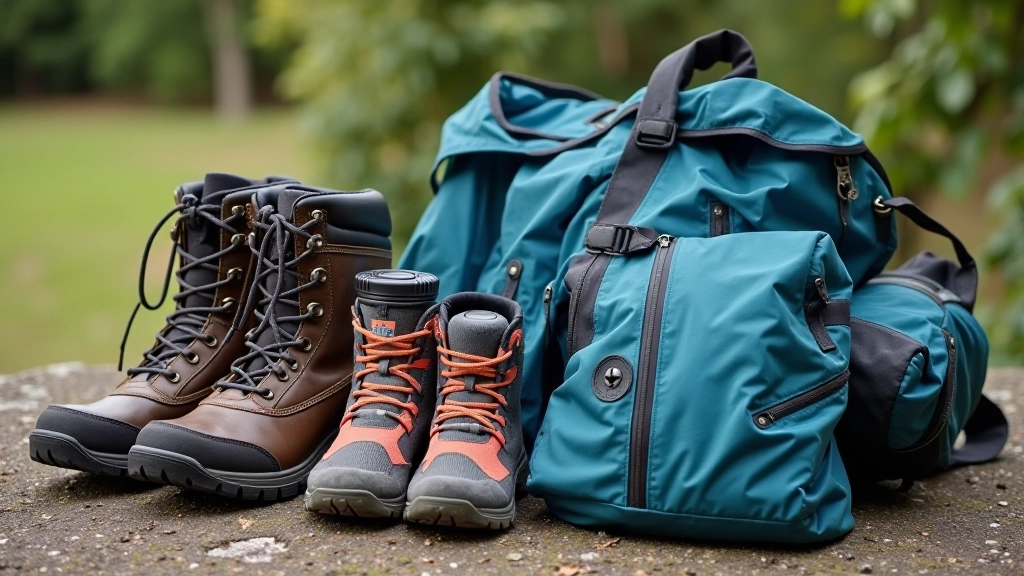
What You'll Actually Need
Beginners often overthink gear. You don't need expensive technical equipment for most UK walking clubs. A few practical items make the difference between enjoying yourself and struggling.
Proper Walking Shoes
Not trainers, not fashion sneakers. Actual walking shoes with ankle support. Spend £60-120 on something with grip and cushioning. Your feet and knees will thank you after miles of walking.
Layering System
Base layer (merino wool or synthetic), mid layer (fleece), waterproof outer. You'll overheat quickly on walks, so layering lets you adjust. Cotton absorbs sweat — avoid it completely.
Water and Snacks
Carry at least 1.5 liters of water. For walks over 2 hours, bring energy snacks — flapjacks, nuts, or energy bars. Most UK walks don't pass cafes, so you can't rely on restocking.
Comfortable Backpack
20-30 liters is standard. It should have padded straps and a hip belt to distribute weight properly. Budget £40-80 for something reliable that won't dig into your shoulders.
Common Challenges and How to Handle Them
Starting Too Fast (The Most Common Mistake)
New walkers often join groups slightly above their fitness level. You're motivated, excited, and don't want to look unfit. So you pick a moderate group when leisurely would've been smarter. This creates two problems: you struggle (which isn't fun) and you might not come back.
Solution? Start one level below where you think you belong. You'll enjoy it, you'll finish feeling good, and you can progress in a few weeks. There's no prize for jumping straight to brisk groups.
Weather Stops You From Going
British weather is unpredictable. Rain happens. Wind happens. Cold happens. The temptation to skip is enormous. Most dropouts happen during the first few rainy walks.
Solution? Proper waterproof gear changes everything. A real waterproof jacket (not a windbreaker) keeps you dry and comfortable. After a few walks in the rain, you'll realize it's not a problem — it's actually quieter and more peaceful than sunny walks. Groups that meet year-round develop genuine camaraderie.
Blisters and Foot Problems
Bad shoes create blisters. Wrong socks contribute. And once you've got a blister, every step is punishment. This is a real dropout cause for people starting out.
Solution? Proper walking shoes matter more than any other gear. Go to a specialist shop and get fitted. Bring the shoes on short walks before committing to long ones. Merino wool socks reduce friction and moisture better than anything else. Prevention is 100% easier than fixing blisters mid-walk.
Social Anxiety (Especially in Established Groups)
Joining an established group where people already know each other feels intimidating. You're the new person, and people are chatting in established friendships. It's easy to feel excluded or awkward.
Solution? Tell the group leader you're new. Good clubs actively welcome newcomers and will pair you with friendly members. Most groups actively prevent cliques. And here's the reality — after two or three walks, you're no longer the new person. People are friendly because they remember being new.
Getting Started This Week
Walking clubs aren't exclusive. They're not about competition or proving anything. They're about getting outside, building fitness at a pace that works, and discovering that you actually enjoy being part of a group that shares your interests.
The hardest part is the first walk. After that, you'll know if it's right for you. The best clubs are the ones you'll actually show up to week after week.
Your Action Steps
- Visit ramblers.org.uk and search for groups in your area
- Pick one club at your fitness level (or one below)
- Check their next meeting date and contact them
- Confirm it's free or low-cost to attend once
- Show up. Just one walk. See how it feels
"I wasn't sure about joining a group. Felt a bit awkward at first honestly. But the Tuesday group is genuinely welcoming and I've made actual friends. Plus I'm noticeably fitter after three months of regular walks. Didn't expect that."
— Janet, 58
Important Information
This article provides educational information about walking clubs and group walking activities in the UK. It's not medical advice. If you have existing health conditions, joint issues, or haven't exercised regularly, consult your GP before starting any new physical activity. Every person's fitness journey is different, and what works for one person may not suit another. Always listen to your body and don't push through pain. Walking clubs vary significantly in their organization, pace, and standards — research thoroughly before joining. Weather conditions in the UK change rapidly, so always check forecasts and come prepared. Information about specific clubs and organizations was accurate at the time of writing but may have changed. Always verify current details directly with clubs before attending.
Related Reading