CrossFit Over 40: Finding the Right Class
How to find gyms that scale workouts properly. Includes what modifications look like and why it's not just for 20-year-olds.

Why CrossFit Works at Any Age
There's this idea floating around that CrossFit is only for people in their twenties. It's not. Actually, we're seeing more adults over 40 joining boxes — and genuinely thriving — than ever before. The thing is, you don't need to move the same weight as someone half your age. You don't need to go as fast. What you need is a coach who understands scaling and a community that gets it.
This article walks you through what to look for in a CrossFit gym if you're over 40. We'll cover scaling options, what a good on-ramp program looks like, and how to spot a box that actually welcomes people at every fitness level — not just the competitive crowd.

Understanding Scaling in CrossFit
Scaling isn't about doing "less" work. It's about doing the right amount of work for you on that particular day. Your body's capacity changes. Your recovery takes longer. Your joints might need different loading patterns than they did at 25. That's not weakness — that's experience.
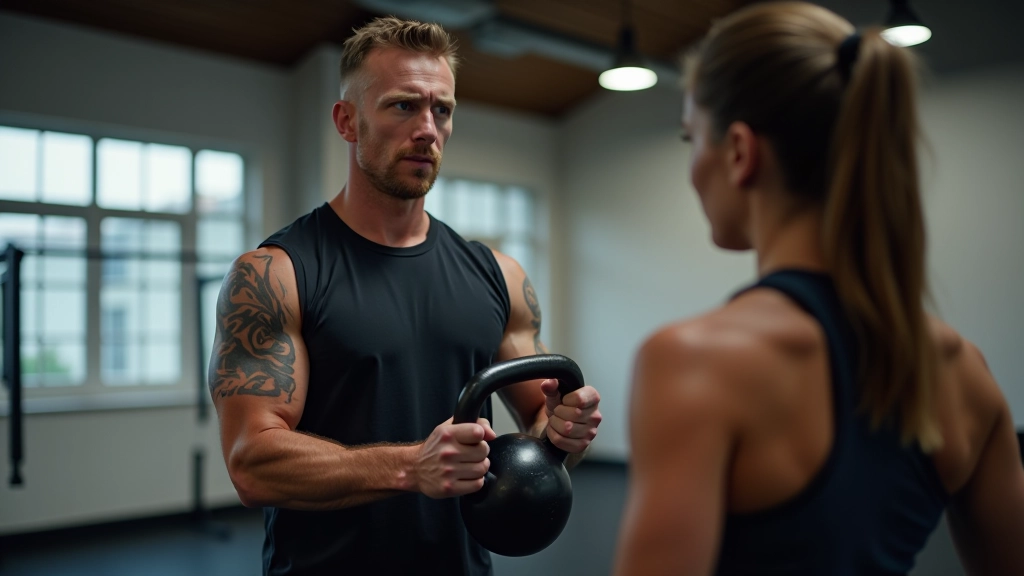
A good CrossFit box provides multiple scaling options for every workout. If the workout calls for barbell back squats at 185 pounds, you might do goblet squats with a kettlebell, or air squats, or even a box squat variation. The movement pattern stays the same. The intensity adjusts to you.
What you're looking for: A gym where the coach doesn't just tell you to "do what you can." That's lazy coaching. You want coaches who actively suggest modifications, who watch your form, and who understand that doing 15 solid reps at a lighter weight builds more strength than grinding through 5 sloppy ones at a heavier load.
Signs You've Found a Box That Gets It
Not all CrossFit gyms are built the same. Some are genuinely welcoming to adults over 40. Others? You'll feel out of place within 10 minutes. Here's what to watch for:
Structured On-Ramp Programs
They offer a proper fundamentals course — usually 4-6 weeks. You're not thrown into group classes right away. You learn movement patterns, proper breathing, and how to move safely before hitting the main workouts. This matters. A lot.
Multiple Class Times
Early morning slots (5-7am) and evening sessions (5-7pm) matter if you've got work and life stuff. The best boxes recognize that people over 40 often have tight schedules. At least 3-4 class times throughout the day means you can actually commit.
Visible Age Diversity
Walk in during a regular class. Do you see people over 40? Over 50? That's a good sign. It means the community is real. It also means the coaches know how to coach across different age groups — not just the Instagram-ready 25-year-olds.
Coaches Who Ask Questions
Before or after your first class, does the head coach ask about injuries, previous training, or what you're hoping to get out of CrossFit? Or do they just hand you a program? Good boxes want to know your story. They customize the experience around you.
Focus on Movement Quality
The coaches stop people mid-workout to fix form. They're not just counting reps. They're invested in you moving well. This prevents injuries and actually gets you stronger faster. Speed and weight mean nothing if your knees or shoulders are falling apart.
Recovery-Focused Programming
They don't just program max-effort work every single day. There are lighter sessions mixed in. They understand that at 40+, you need active recovery days and varied intensity — not constant "go hard or go home" mentality.
Questions to Ask Before Joining
When you visit a box, don't just do the free trial class and decide. Ask these specific questions. The answers will tell you everything you need to know about whether this is the right fit.
- How long is your on-ramp program? Look for at least 4 weeks of dedicated fundamentals coaching.
- What's your coach-to-athlete ratio during group classes? More than 15 people per coach gets hard to scale properly.
- Do you modify workouts daily or have athletes just "scale as needed"? Real boxes scale. They don't improvise.
- What's your injury prevention approach? Do they screen for limitations? Do they have movement assessments?
- How many people in this gym are over 40? Ask for a percentage. Honesty here matters.
- Do you offer mobility or stretching sessions? Not mandatory, but it shows they think beyond just workouts.


What a Realistic Training Week Looks Like
Here's the thing about training over 40: You're not trying to be an elite CrossFit competitor. You're trying to stay strong, mobile, and healthy for the long term. That changes the programming approach.
A solid week might look like: Monday (strength focus with moderate loading), Tuesday (active recovery or light conditioning), Wednesday (metabolic work at controlled intensity), Thursday (skill or technique day), Friday (strength or power), Saturday (longer, lower-intensity session), Sunday (rest or mobility work).
You're not hitting maximum effort every day. You're mixing intensities. Some days you're working at 60-70% of your max. Other days it's 85-90%. Your nervous system needs that variation. Your joints need it. Your tendons need it. And honestly? You'll actually get stronger this way because you're recovering properly between hard sessions.
Don't join a box that programs the same intensity day after day. That's a recipe for overuse injuries, burnout, or both.
Getting Started: Your First 8 Weeks
If you've found a good box and you're ready to commit, here's what to expect in your first couple of months:
01
Weeks 1-2: Movement Foundation
You'll learn the nine foundational movements: air squat, front squat, overhead squat, deadlift, power clean, push press, push-up, pull-up, and rowing. Expect to spend significant time with just the barbell or PVC pipe. This isn't glamorous. It's essential.
02
Weeks 3-4: Loading and Combinations
Now you're adding light weight and combining movements. The coach will help you find appropriate loading for each lift. You might be doing light power cleans or practicing tempo deadlifts. Form is still king.
03
Weeks 5-6: Transitioning to Group Classes
You're ready. You join the main group classes but with coaching cues tailored to you. You'll see your first real workouts — maybe 10-15 minutes of structured conditioning with movements you've practiced.
04
Weeks 7-8: Finding Your Groove
You're part of the community now. You know your scaling options. You understand how to listen to your body. You're building consistency and strength. You've probably noticed your energy levels improving already.
The Bottom Line
CrossFit over 40 isn't a pipe dream. It's real, and it works. But you need the right environment — coaches who understand scaling, a community that includes people your age, and programming that respects your body's recovery needs.
Don't settle for a box that treats you like you're 25. Don't join somewhere that makes you feel like you're slowing everyone down. There are gyms out there that genuinely get it. Take your time finding one. Do a few trial classes. Ask the questions. Watch how the coaches interact with older athletes. Then commit.
The strength and fitness you build over the next 12 months? That's the foundation for staying active and independent for the next 30 years. That's worth finding the right place.
Ready to Find Your Box?
Start by visiting a few local gyms. Do their free trial class. Notice how they treat you. Ask the questions above. Then trust your gut. You'll know when you've found the right fit.
Important Disclaimer
This article is informational only and shouldn't be taken as personalized fitness advice. Before starting any new training program, especially if you're over 40 or have existing health concerns, consult with your doctor or a qualified healthcare professional. Every person's fitness journey is different, and what works for one person may not work for another. Always prioritize proper form and listen to your body. The information here is based on general CrossFit principles and community experiences — your individual results may vary depending on your starting fitness level, age, and health history.
Related Articles